

Overcoming ADC Challenges of Toxicity and Drug Resistance with a Granzyme B Payload
AbBC Therapeutics’ Dr Claire Thuning-Roberson lays out the challenges hindering the current class of ADCs, and how utilizing Granzyme B, a serine protease enzyme in the immune system, can address or alleviate those challenges.
What are the biggest hurdles preventing the wider adoption/utilization of ADCs?
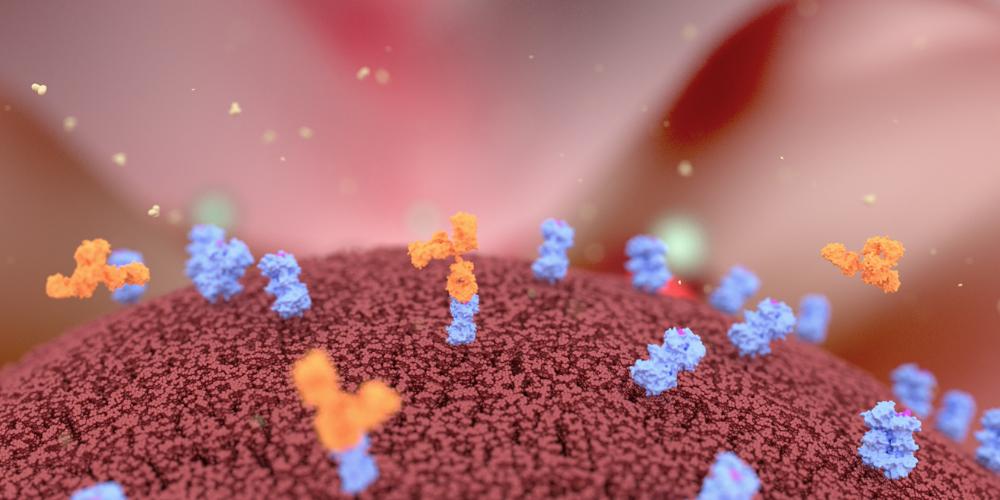
Stability and toxicity are two of the major challenges. First, linker stability issues result in the immediate release of the drug payload following administration, which results in persistent high levels in the plasma and toxicity in normal cells, including bone marrow, peripheral nerves and organs. Clinical experience with ADCs has demonstrated that the MTD (maximum tolerated dose) of these agents is close to the MTD of free payload, so that’s a very narrow window. The result is the need for dose reduction in the clinical setting, which compromises efficacy.
Second, toxicity is not predicted from non-human primates or other in vivo models, so there’s not the transition to clinic enabled by preclinical. Recent data from a wide variety of ADCs and different payloads/different linkers, presented at the 2025 AACR conference, showed the clinical plasma levels were 10- to 100-fold greater than what was found in the preclinical studies in mice or primates making the preclinical to clinical translation of drug performance very difficult to predict.
"[There is] the need to develop novel payloads with mechanisms of action that are not influenced by chemo-resistance mechanisms."
How does resistance to chemotherapy hinder patient response to ADCs?
The overall clinical response rate is between 30-50%, which is not tenable. One major aspect of that failure is tumor resistance to previous chemotherapeutic regimens. This causes crossover resistance to virtually all payloads used by ADCs, and shows the need to develop novel payloads with mechanisms of action that are not influenced by chemo-resistance mechanisms.
Finally, considering that therapeutic levels with ADCs are generally in the low mgs/kg dose range, there is a requirement for much higher doses of antibody to drive the distribution of the immunoglobulin protein deep into the tumor architecture to achieve therapeutic effect. So it’s not just toxicity, it’s getting a high enough dose throughout the tumor. But increasing protein dose with ADCs to achieve this better penetration just isn’t possible because of the dose-limiting toxicity.
What is Granzyme B?
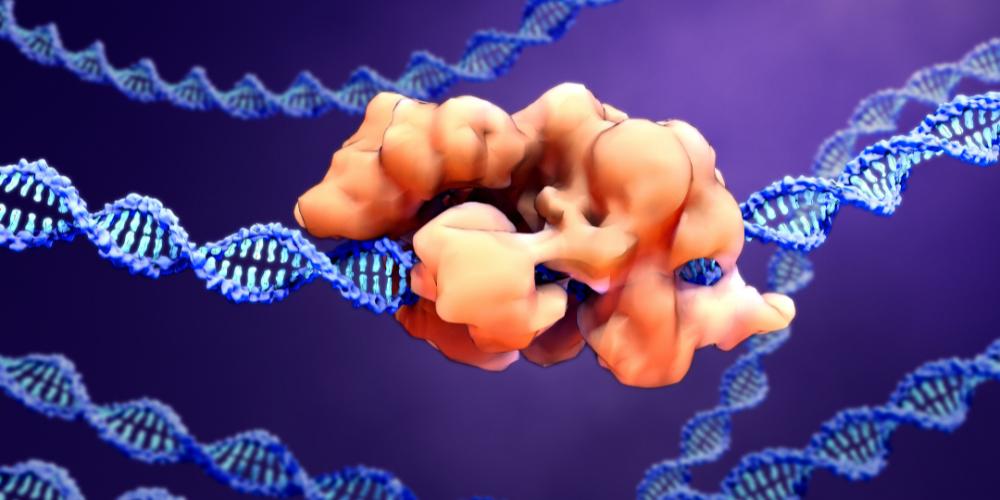
Granzyme B is the primary mechanism by which the immune system eliminates harmful target cells such as virally infected and tumor cells. It is a serine protease found in granules of T and NK cells and secreted with perforin which creates pores for passage of Granzyme B into targeted cells. Once inside the cell it induces apoptosis by three independent and irreversible pathways. We have hijacked this cell killing mechanism by combining the tumor targeting properties of antibodies with Granzyme B into a single potent hybrid molecule.
What makes Granzyme B so interesting in the ADC context as a payload?
First, unlike ADCs, which have small molecule payloads, Granzyme B cannot enter the cell non-specifically and avoids the bystander effects on normal cells frequently seen with ADCs.
Second, the constructs were designed to be stable and biologically active in the tumor cell without the need for a releasable linker.
Third, Granzyme B acts via multiple redundant cell death pathways that are independent and irreversible, rather than a single mode of action. The body has done this naturally to get around anything that might stop it. With ADCs, there is a single mode, and if anything affects that mode of action, everything is shut down. These three characteristics of Granzyme B and its construct are remarkable distinctions from ADCs.
How does Granzyme B address the challenge of dose-limiting toxicity and chemotherapeutic resistance?
There is no toxicity at total therapeutic doses of 100 mgs/kg in preclinical models, and we’ve gone up to 500 mgs/kg and shown it was well-tolerated. This suggests a very impressive therapeutic safety index, and higher doses also enable sufficient amounts of the antibody to drive penetration into the tumor structure.
Drug resistance has been a big challenge for ADCs that has severely hindered the clinical efficacy of ADCs. Most patients who initially respond to therapy inevitably develop resistance because they have developed resistance to chemotherapies and there is downstream resistance to ADCs and their commonly used payloads. We have shown that the unique molecular mechanism of action for Granzyme B fusion constructs driving their cytotoxic effects are not affected by pre-existing cellular resistance mechanisms. This means that patients failing ADCs due to drug resistance might respond to Granzyme B therapy and that provides a new lifeline for them.
What indications and patient populations do you see this having the biggest potential impact?
One approach would be the orphan drug route, for more difficult-to-treat indications such as ovarian cancer. We’ve been able to demonstrate in preclinical studies remarkable protection, and the wonderful thing about Granzyme B is the reproducibility of efficacy, no matter what we’re targeting or what tumor model we’re using. Whether it’s ovarian or prostate or mesothelioma, etc, the data looks the same when we examine suppression of the tumor and maintenance of that suppression.
Our first clinical study is going to be looking at 4-5 different tumor types to get a good feel for different types of cancers and find the optimal dose and scheduling. In addition, we're also working to identify new soluble markers that may be effective in earlier response or failure indicators. These are all very important when you've got a first-in-human molecule such as Granzyme B.
"The unique molecular mechanism of action for Granzyme B fusion constructs driving their cytotoxic effects are not affected by pre-existing cellular resistance mechanisms."
One challenge with current ADCs is linker instability. How does a Granzyme B ADC handle that?
There isn’t a linker used to put the payload onto the antibody structure, because it’s designed as a recombinant protein. It comes out of the cell with the payload already attached to the targeting portion of the antibody molecule. It doesn’t require cleavage to be therapeutically active, and we have data to show that as it is degraded, there is still active Granzyme B inside the cell.
If toxicity is not an issue to contend with, how does the rest of the development process change as a result?
The challenge in putting together the draft design of our clinical study is making sure that we go high enough in order to get a true sustainable tumor response. The other consideration is totally in the field of economics, which is the cost of goods. It’s nice to say, “We can go up to very high doses” but that becomes problematic if it’s too high and the cost of goods doesn’t orient it. The good news is the manufacture of Granzyme B fusion proteins is a simple 3-step process and, therefore, more cost effective than that of ADCs.
Does this work open up more novel payloads?
Granzyme B of course has been extensively studied in the literature, and it's the major driver of our immune response mechanism to kill target cells. There are other granzymes, proteases, and molecules being evaluated as novel payloads to address some of the existing shortcomings in ADCs.
When we start looking at mechanisms of action, we need to be aware of what can complement what we’re already doing. This will be the first time that the pharmaceutical product in the test tube has the exact same molecular mechanism of action that our immune system uses, and we’re exploring new avenues to interrogate how this novel type of construct operates alone and in concert with other classes of these therapeutic agents.